
Dr. B. R. Ambedkar (1916)
A series reading Ambedkar’s foundational essay on how caste was built — not born. Each part follows one step of his argument, in his own logic, drawn directly from the 1916 text.
Part 1 — The Origin of Caste: From Exogamy to Endogamy
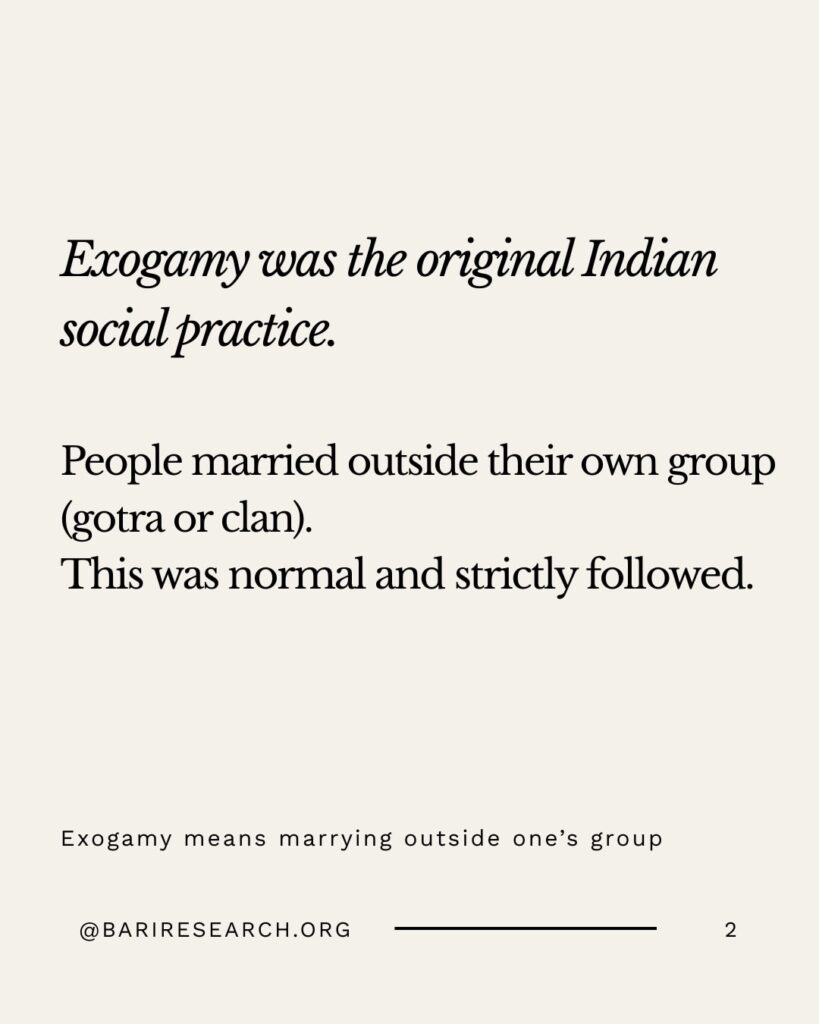
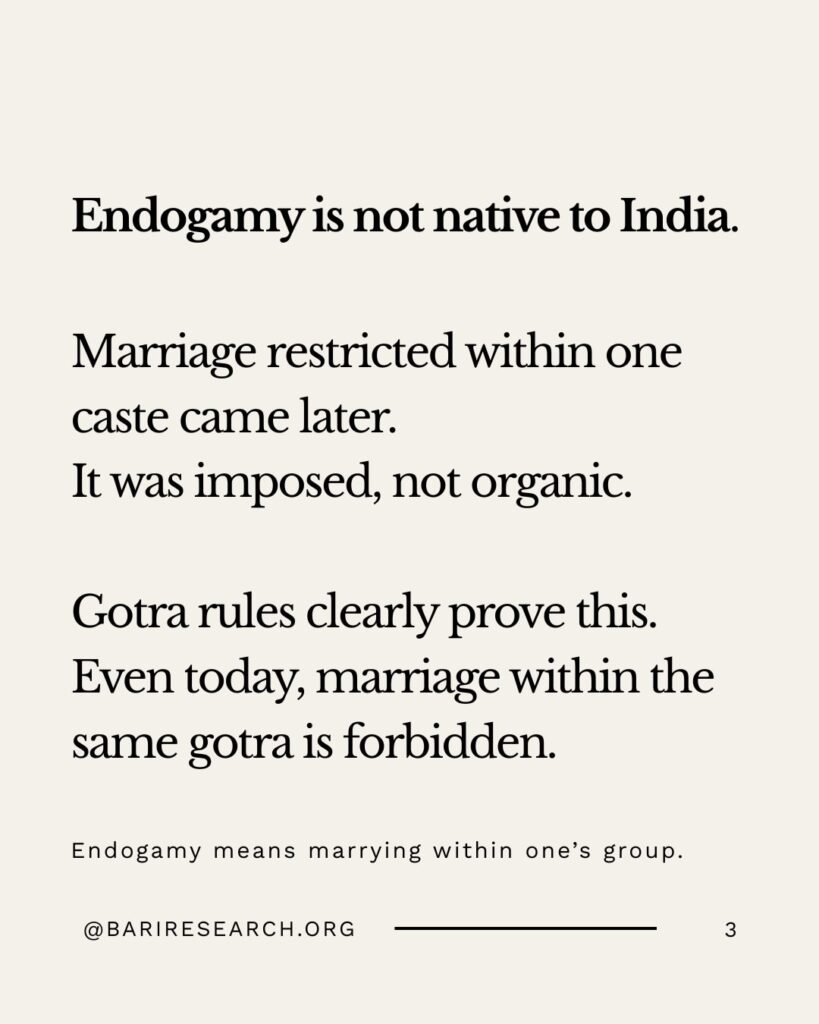
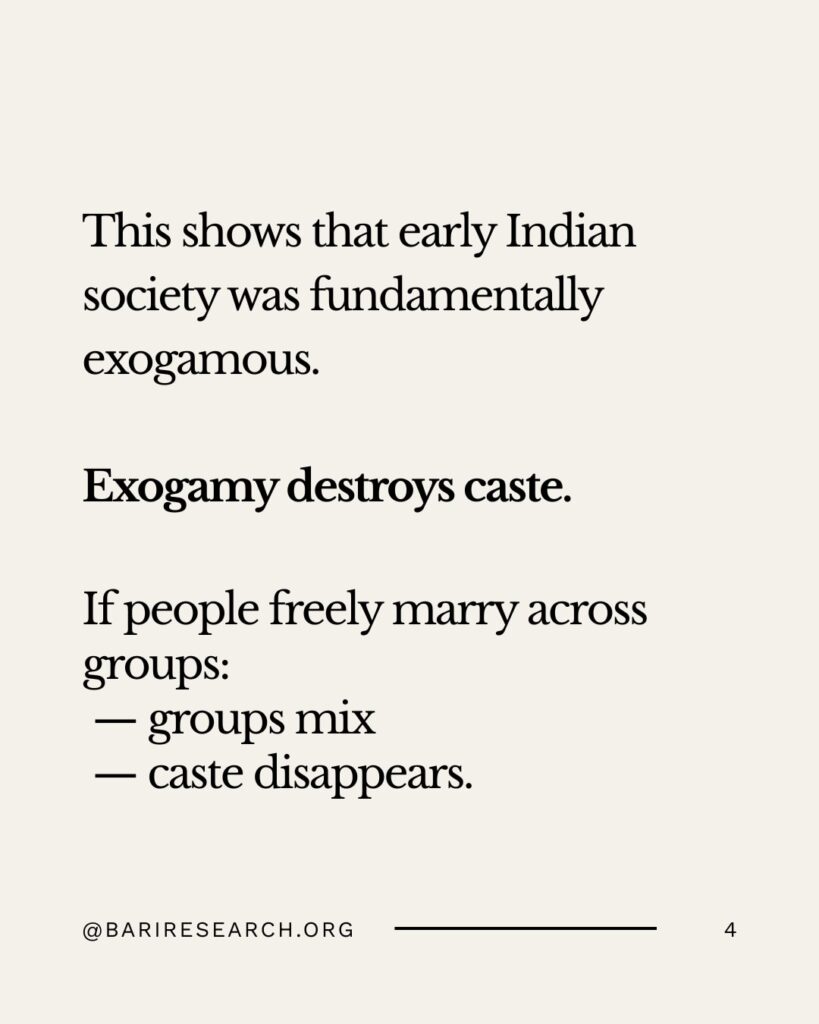
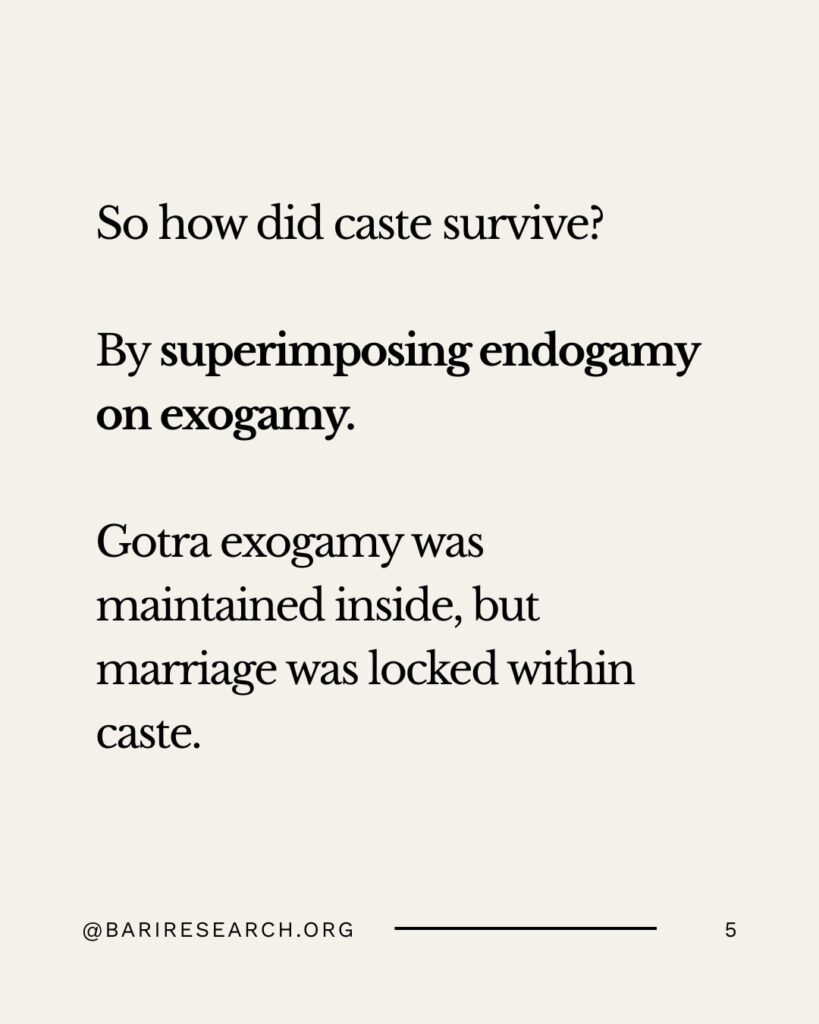
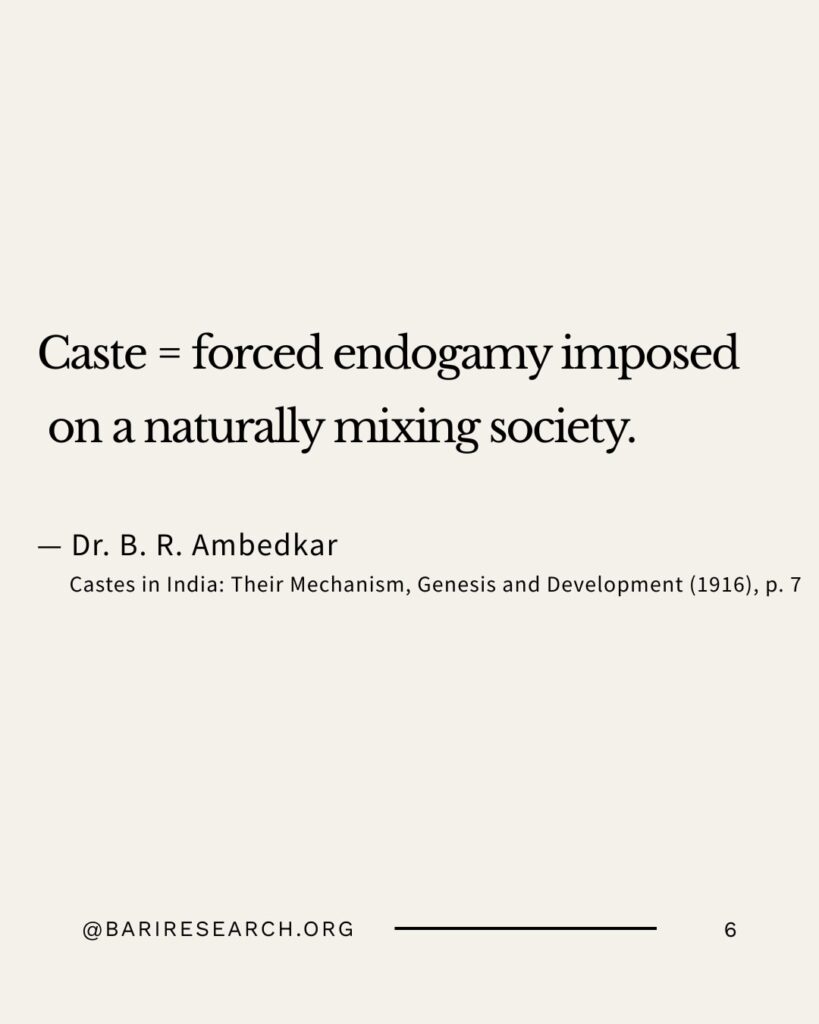
In 1916, a 25-year-old B. R. Ambedkar presented a paper at Columbia University that remains one of the earliest attempts to explain not what caste is, but how it actually works — the mechanism that holds it together and keeps it alive across generations. Most writing before him had described caste. Ambedkar set out to explain its genesis: how it was assembled, and why it endures.
His answer turned on one deceptively simple distinction: the difference between marrying outside your own group and marrying within it — exogamy versus endogamy. That single distinction, he argued, is the key to the entire structure of caste.
In this first part, we begin where Ambedkar begins — with the open, mixing society that India was, before caste closed it in
Part 2 – Caste Survives by Controlling Marriage
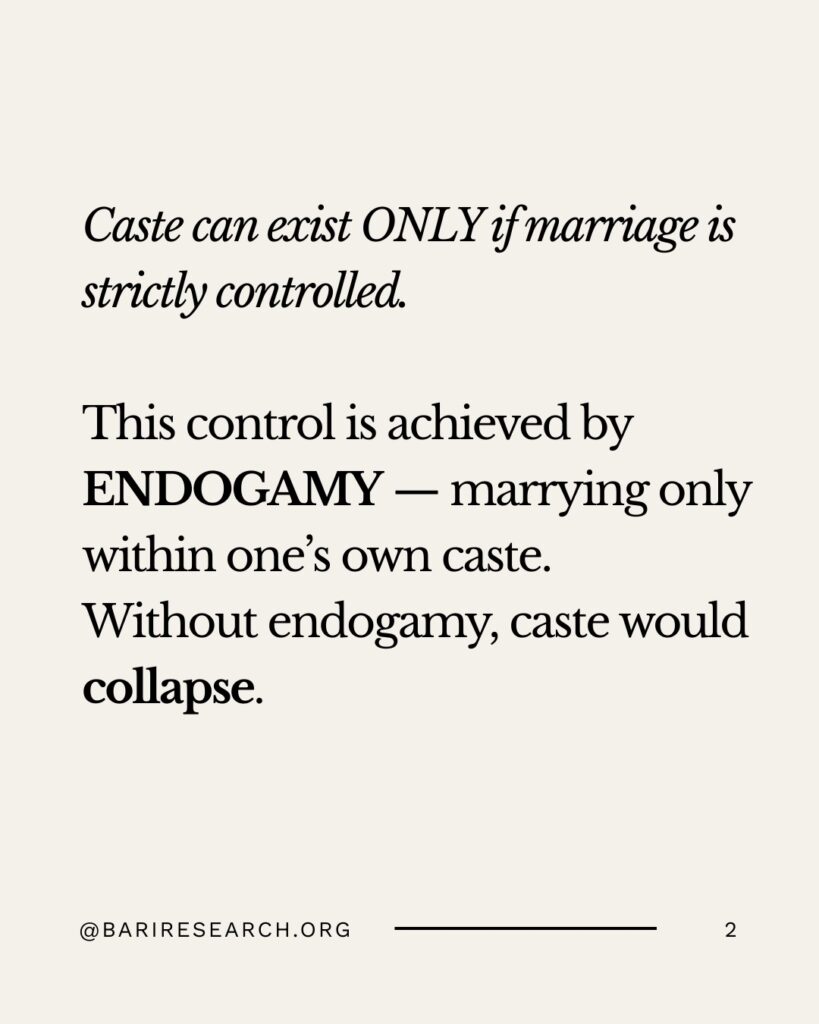
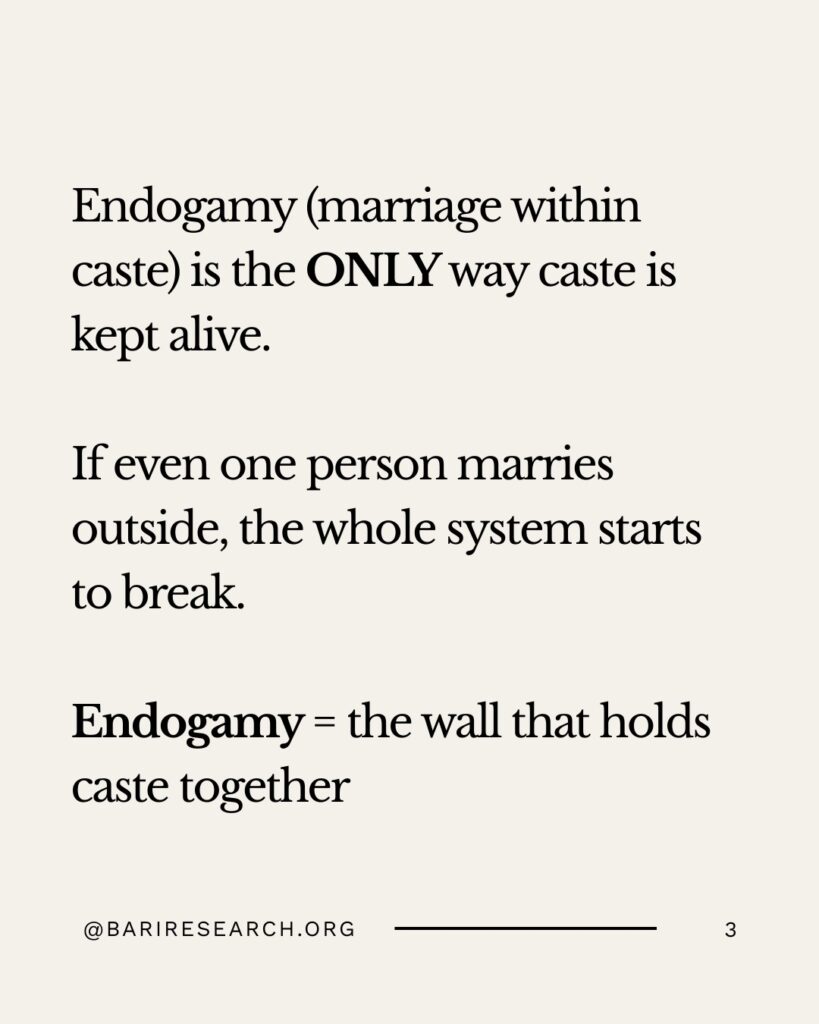
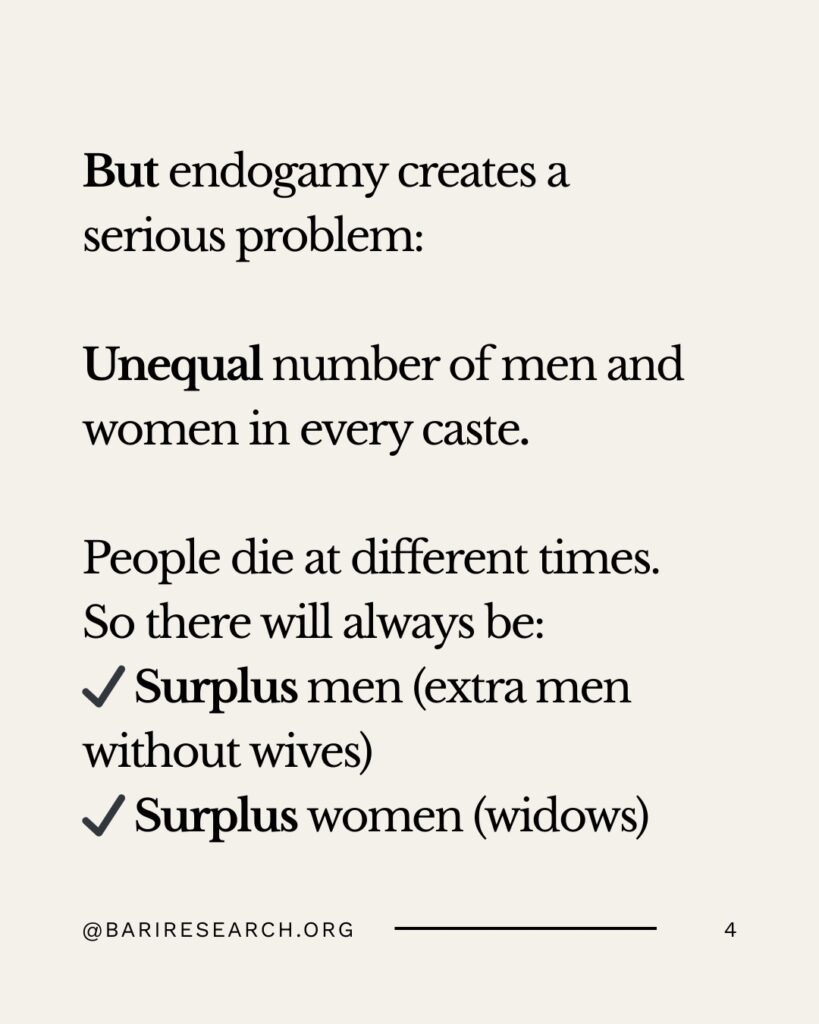
Having shown how endogamy replaced exogamy to seal caste shut, Ambedkar turns to the strain this creates from within. A closed, endogamous group cannot rely on nature’s arithmetic — men and women do not die in equal numbers, at equal times. Every caste is left with a surplus: men without wives, women without husbands.
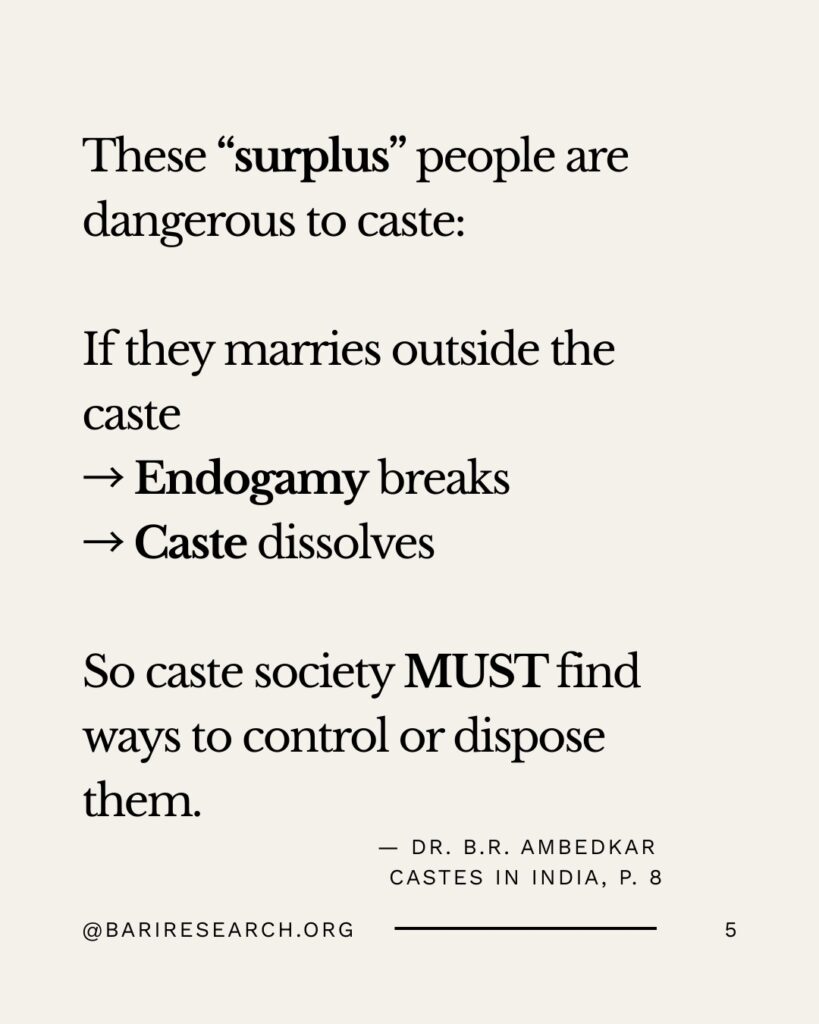
This surplus is not a side effect. It is a threat. Left alone, these men and women are free to marry outside the caste — and if they do, endogamy breaks, and with it, caste itself.
So caste society, Ambedkar argues, is forced to act — to devise ways of absorbing or controlling this surplus before it becomes the crack that brings the whole structure down.
In this part, we follow Ambedkar’s account of the problem caste creates for itself, and why it can never simply let its “surplus” be.
Leave a Reply